Client
Essity
Year
2026
Location
Drummondville

Context

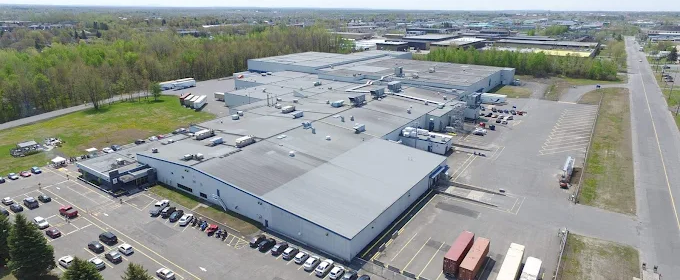
As part of the installation of a new production line at its Drummondville plant, Essity needed to assess the impact of the new electrical loads on the Hydro-Québec grid. The addition of variable frequency drives, rectifiers, and power electronics equipment increases the risk of harmonic current emissions, which can affect power quality and site compliance.

3E Ing. was commissioned to conduct a Level 2 harmonic current emission study in accordance with the Hydro-Québec C.25-01 standard.

Scope

3E Ing. was commissioned to:

  • analyze harmonic emissions from the new equipment,
  • model the site’s electrical network,
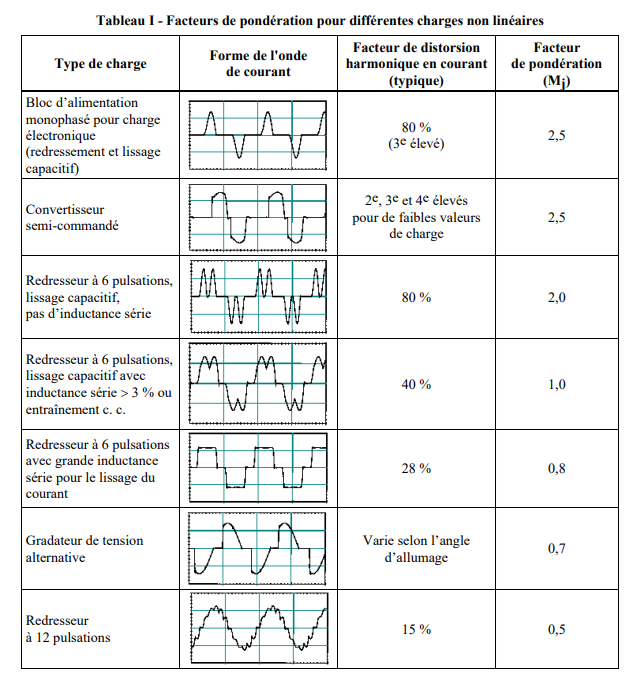
  • assess the impact of variable-speed drives and nonlinear loads,
  • verify compliance with the Hydro-Québec C.25-01 standard,
  • and produce a comprehensive technical study for the project’s grid connection.

Analysis and Modeling

The study is based on a detailed modeling of the power grid that incorporates:

  • existing and future loads,
  • frequency converters,
  • capacitor banks,
  • transformers, and distribution equipment.

The simulations were performed using the specialized software EasyPower and EMTP, in accordance with methods recognized by Hydro-Québec and the IEEE-519 standard.

A conservative approach was used to represent the most severe operating conditions and avoid any underestimation of harmonic emissions.

Results

The study made it possible to:

  • validate the harmonic behavior of the grid,
  • analyze emissions from disruptive loads,
  • confirm that harmonic emissions comply with the limits set by Hydro-Québec,
  • reduce the risk of resonance and equipment overload,
  • ensure the safe integration of new industrial loads.

The simulations demonstrate that harmonic distortion levels remain in compliance with applicable requirements for all analyzed ranks.

3E Ing. Consulting

3E Ing. assists manufacturers with the following:

  • Level 1 and Level 2 harmonic studies,
  • power quality analyses,
  • resonance studies,
  • EasyPower modeling,
  • Hydro-Québec connection studies,
  • optimization of industrial electrical systems.

Our analyses help reduce technical risks while facilitating the integration of new electrical processes and equipment.

Typical applications

A harmonic study is often required when:

  • adding variable frequency drives (VFDs),
  • setting up new production lines,
  • electrifying industrial equipment,
  • installing charging stations,
  • adding capacitor banks,
  • increasing electrical power.

Conclusion

Harmonic studies play a critical role in ensuring the reliability and compliance of modern industrial facilities. Through advanced modeling and specialized expertise in power quality, 3E Ing. helps companies integrate their new equipment while meeting Hydro-Québec’s technical requirements.

We can help you!

Do you have questions about harmonic analysis in industry?

These customers trust us